SHAMBALA
INVESTMENT
Paid for 90 Years, Evicted After 30: Thailand’s Leasehold Ruling
· Shambala Editorial
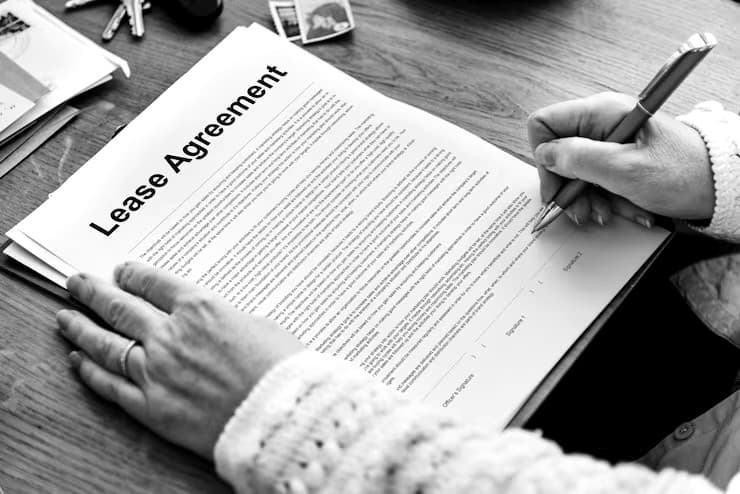
Photo: Freepik, Freepik License
For years, “30+30+30” has been one of the most common phrases in Phuket property sales: a 30-year lease with two further 30-year renewals, often marketed as a “90-year lease”. A recent ruling by Thailand’s Supreme Court shows why that promise deserves a much closer look before you buy.
What the court decided
In Supreme Court case No. 4655/2566, a Thai individual leased land and a building to a foreign individual for 30 years and promised to renew the lease for two more 30-year terms. The tenant paid for all three terms up front: ฿1.5 million for the first term and ฿600,000 for each renewal.
When the first 30 years ended, the landlord went to court to evict the tenant. The tenant counter-sued, asking the court to force the landlord to sign the promised renewal.
- The court of first instance sided with the tenant.
- The Court of Appeal reversed that decision and ordered the tenant to leave.
- The Supreme Court confirmed the eviction and ordered the tenant to pay ฿30,000 a month in damages for every month they stayed on the land after the lease expired.
Why: the 30-year limit
Thai law (Section 540 of the Civil and Commercial Code) limits a lease of land or buildings to a maximum of 30 years. The court reasoned that if parties could privately lock in renewals beyond that, the 30-year limit would have no meaning. It also noted that economic conditions change: nobody can fairly fix the rent more than 30 years ahead, and one side would almost certainly lose out.
Importantly, the court did not cancel the lease itself. The first 30-year term stood. What could not be enforced was the promise to renew.
What it means if you buy leasehold
- Treat a leasehold as 30 years, not 90. Value the property, and judge the price, on the term that is actually registered.
- A renewal clause is not a guarantee. Based on this ruling, you should not expect a court to force the owner or developer to grant the second and third terms.
- Prepaying renewals is risky. In this case the tenant paid ฿1.2 million for renewals they never received, and still had to leave.
- Renewal can still happen if both sides agree when the time comes, but that is a new agreement, not something you can rely on today.
Be careful who you listen to
Leasehold is where buyers most often receive advice that is optimistic, incomplete or simply wrong. Some sales agents, “consultants” and even some lawyers describe 30+30+30 as a secure 90-year right, call renewals “registered” when only the first term is, or recommend structures, such as nominee shareholders, that carry real legal risk. Their advice is not always independent: a lawyer recommended by the seller, or paid through the developer, may not be working for you.
A few simple rules protect you:
- Hire your own Thai property lawyer, not one introduced by the seller, and ask them to explain the risks in writing.
- Ask exactly what is registered at the Land Office, and for how long. Check the title deed and the registered lease yourself.
- Read the Thai-language version of the contract. If there is a conflict, the Thai text usually prevails.
- Be wary of anyone who calls a structure “100% safe”, “guaranteed” or “the way everyone does it”.
This is general information, not legal advice. The interpretation of this ruling and its effect on other contracts may vary; always have your specific contract reviewed by an independent Thai property lawyer before paying any deposit.